

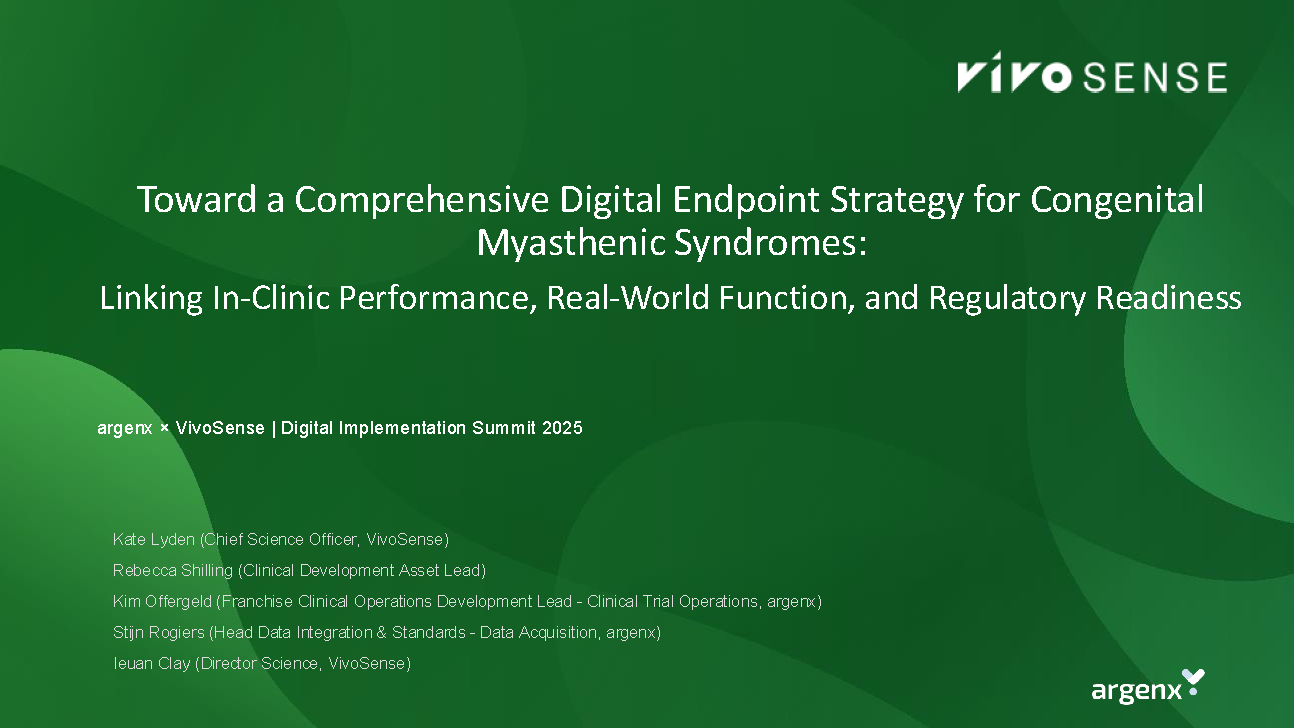

The Challenge: Measuring What Matters in Rare Disease
As digital health technologies become increasingly common in clinical development, pharmaceutical sponsors face a critical question: How can digital measures move beyond exploratory data collection and become meaningful, patient-centric, and regulatory-ready endpoints?
For rare neuromuscular diseases such as Congenital Myasthenic Syndromes (CMS), the challenge is particularly acute. Traditional clinical assessments often fail to fully capture the day-to-day impact of fatigue, mobility limitations, and functional impairment that patients experience. According to patient research presented by argenx and VivoSense, walking difficulties, mobility challenges, muscle weakness, and fatigue are among the most important aspects of health affected by CMS, yet these concepts are often underassessed in clinical trials.
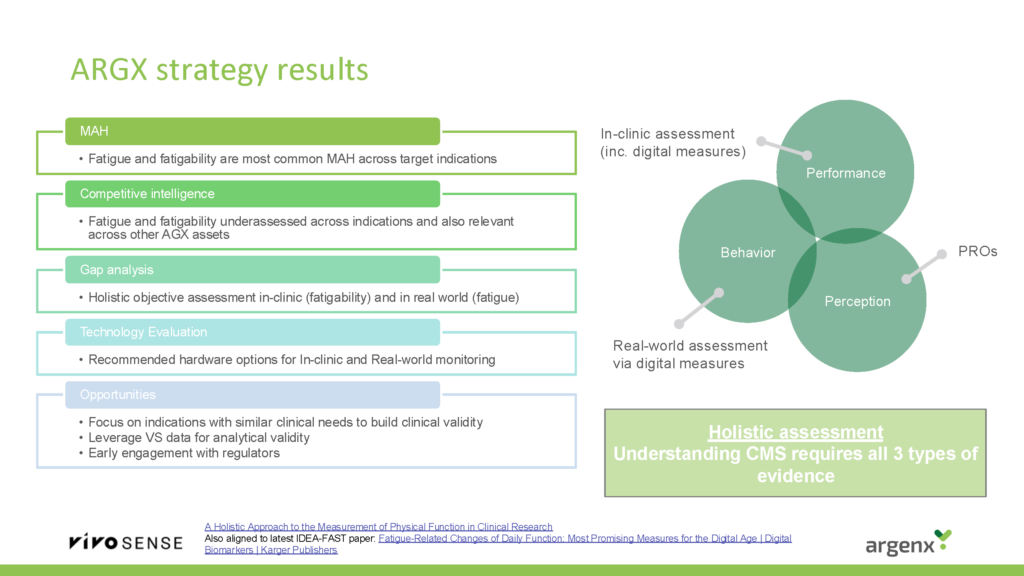
To address this gap, argenx partnered with VivoSense to develop a comprehensive digital endpoint strategy designed to connect three critical perspectives:
– Clinical performance measured during study visits
– Real-world behavior captured continuously outside the clinic
– Patient experiences and perceptions reported directly by participants
This holistic approach aims to generate evidence that is both meaningful to patients and suitable for regulatory decision making.
Building a Foundation for Long-Term Success
Rather than approaching wearable sensors as isolated study tools, argenx established a cross-functional Digital Health Technology (DHT) CORE team that included clinical operations, medical affairs, biostatistics, regulatory, quality, and external partners, including VivoSense. The team’s mission was to develop patient-centric endpoints using wearable and connected technologies that could detect clinically meaningful treatment effects while supporting future regulatory acceptance.
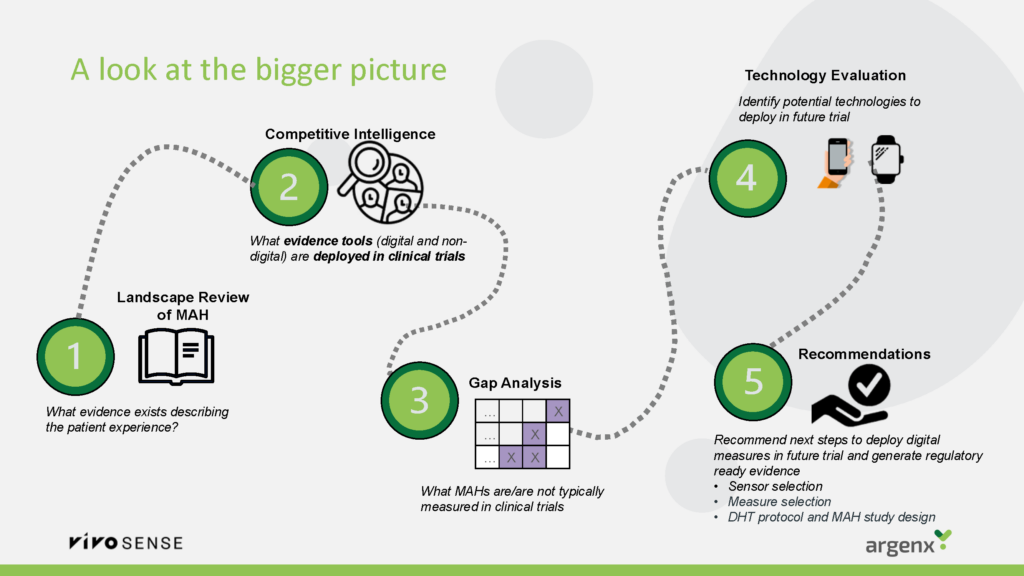
The collaboration began with a comprehensive evaluation process that included:
– Reviewing patient experience evidence
– Assessing competitor approaches
– Evaluating available technologies
– Identifying measurement gaps
– Developing recommendations for future trials
This work revealed that fatigue and fatigability were among the most important and underrepresented concepts across CMS and other neuromuscular conditions. The resulting strategy focused on combining in-clinic assessments with real-world monitoring to better characterize how patients function in everyday life.
Designing a Study Around Meaningful Patient Outcomes
The resulting Phase 1b CMS study incorporated several key elements:
– Measures that matter to patients
– DHT-enabled gait analysis during the Six-Minute Walk Test (6MWT)
– Real-world physical behavior monitoring using wearable sensors
– Qualitative patient feedback and exit interviews
The study evaluated ARGX-119 in CMS and represented the first dedicated DOK7 CMS study, observing 16 patients. The program established proof of biology, demonstrated a favorable safety profile, and generated sufficient confidence to advance ARGX-119 into a registrational study.
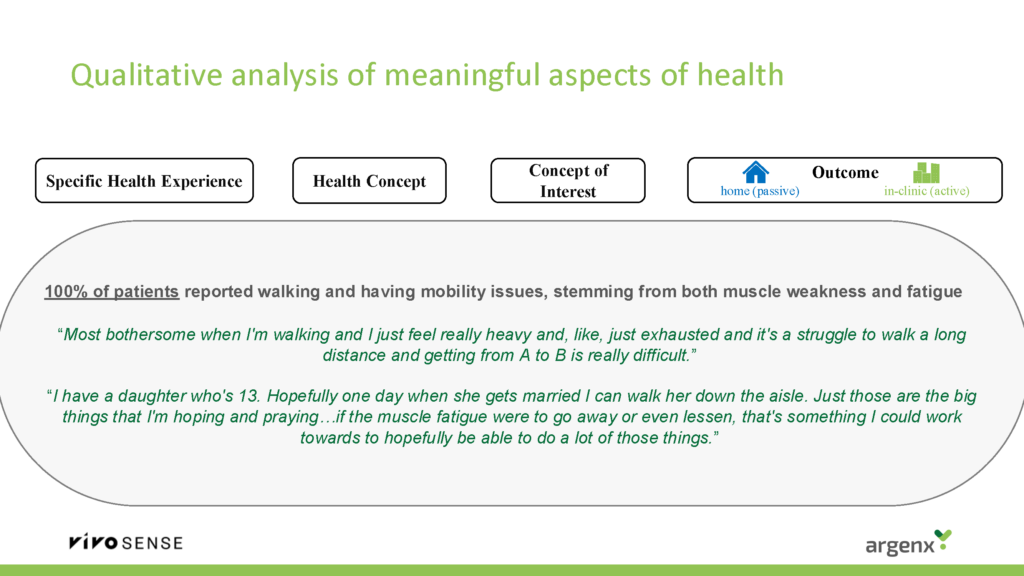
Patient interviews were particularly important in shaping the endpoint strategy. Every patient interviewed reported challenges related to walking and mobility, with both muscle weakness and fatigue contributing to functional limitations. These insights directly informed the selection of digital measures aimed at capturing meaningful changes in physical function.
Digital Measures Revealed Meaningful Improvements
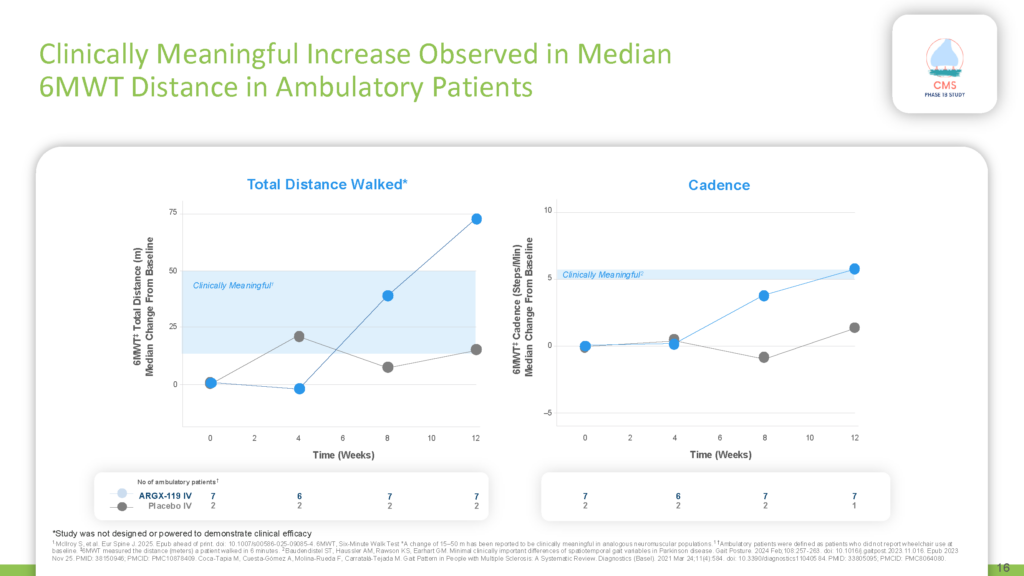
One of the study’s most notable findings was the clinically meaningful increase observed in Six-Minute Walk Test performance among ambulatory participants receiving ARGX-119. Investigators observed improvements in both total walking distance and cadence, supporting the biological effect of treatment at the neuromuscular junction.
Beyond traditional distance measurements, VivoSense analyzed cadence patterns throughout the 6MWT to quantify fatigability, a defining symptom of CMS. This digital approach provided a richer understanding of how patient performance changed during the walking assessment and offered new ways to evaluate treatment benefit.
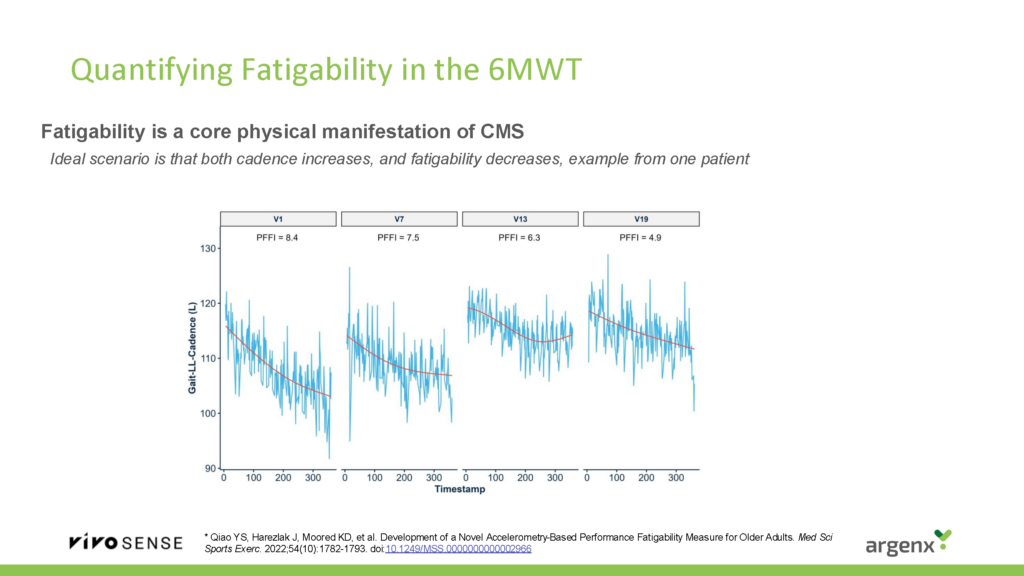
Importantly, the study demonstrated that participants maintained stable rates of performance decline while operating at higher overall functional levels, suggesting improvements in capacity without increasing fatigue burden.
Connecting Clinical Outcomes to Everyday Life
One of the persistent challenges in clinical research is determining whether improvements observed during clinic visits translate into meaningful real-world benefits.
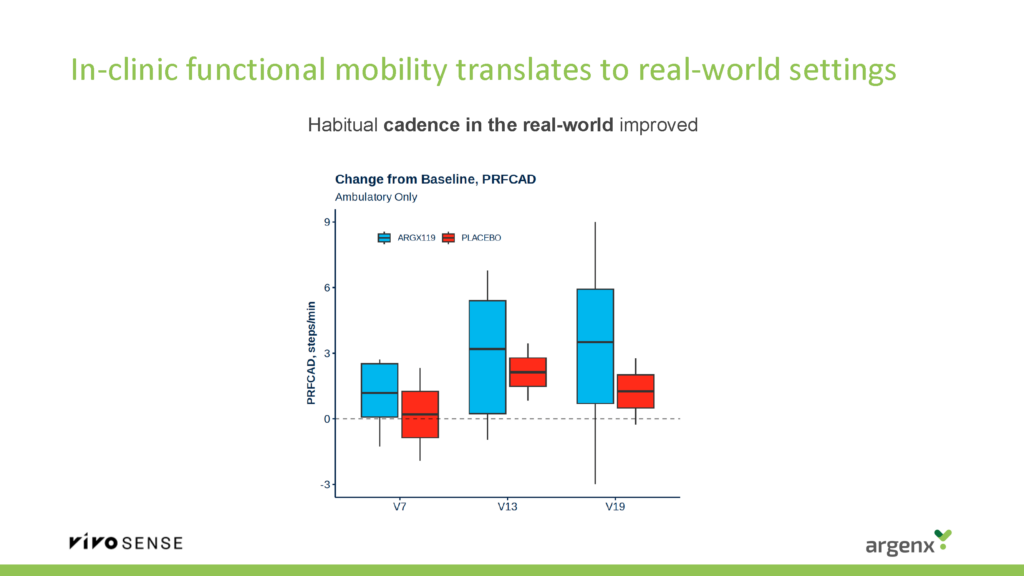
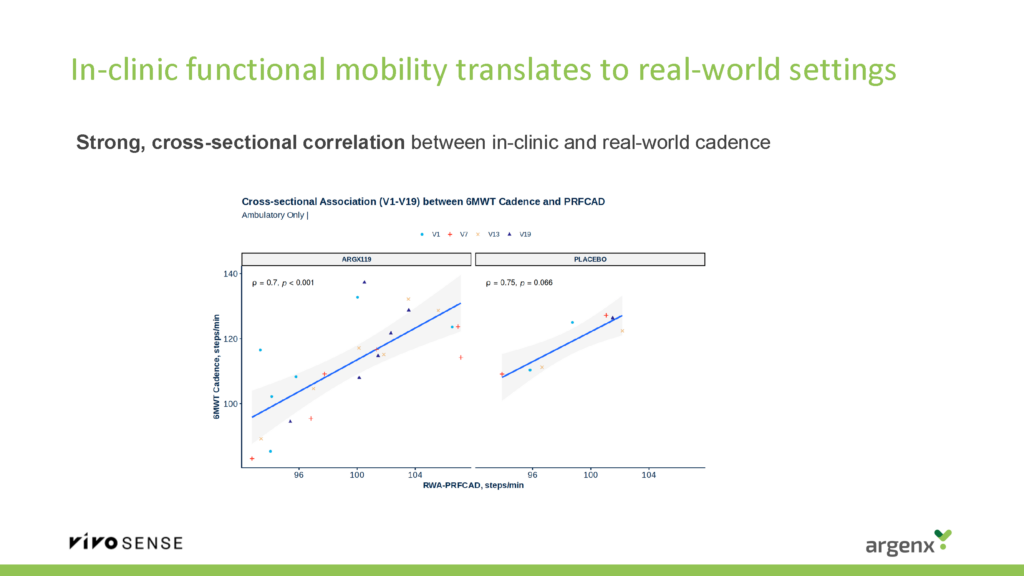
Through wearable monitoring, the study found that habitual real-world cadence improved alongside in-clinic measures. Researchers also observed strong correlations between in-clinic walking cadence and real-world mobility performance. These findings suggest that digital measures can bridge the gap between controlled clinical assessments and how patients actually function in their daily lives.
This connection between clinic-based performance and real-world behavior is particularly important for rare disease programs, where demonstrating meaningful patient benefit is critical for regulators, providers, and patients alike.
High-Quality Data Collection is Achievable
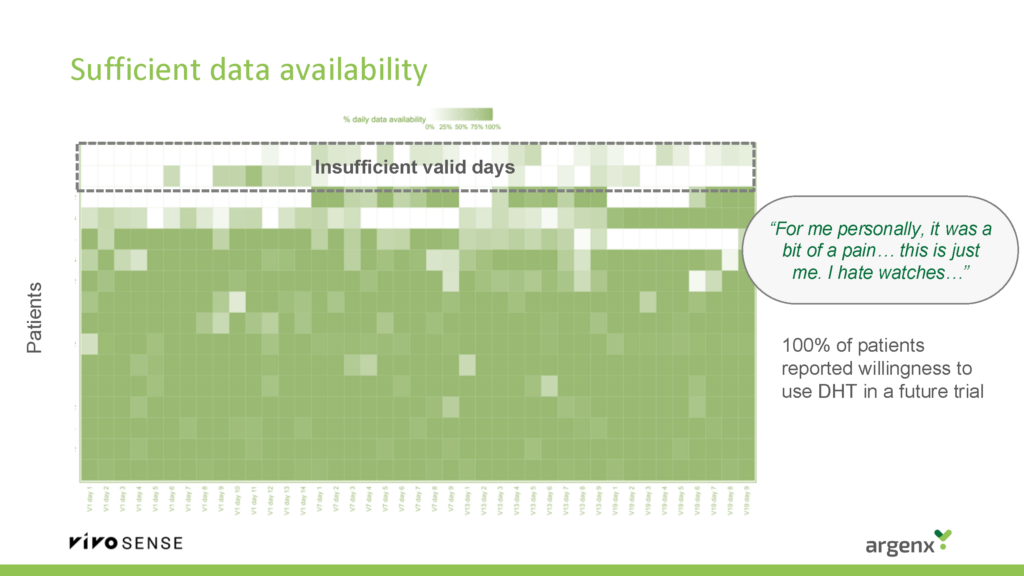
Digital health studies often raise concerns about patient adherence and data completeness. However, this study demonstrated strong operational feasibility.
The study achieved sufficient data availability for analysis, and notably, 100% of participants reported a willingness to use digital health technology again in future clinical trials. These findings reinforce the importance of thoughtful study design, proactive operational support, and patient-focused implementation strategies when deploying wearable technologies in rare disease research.
A Holistic Measurement Strategy Delivered the Strongest Insights
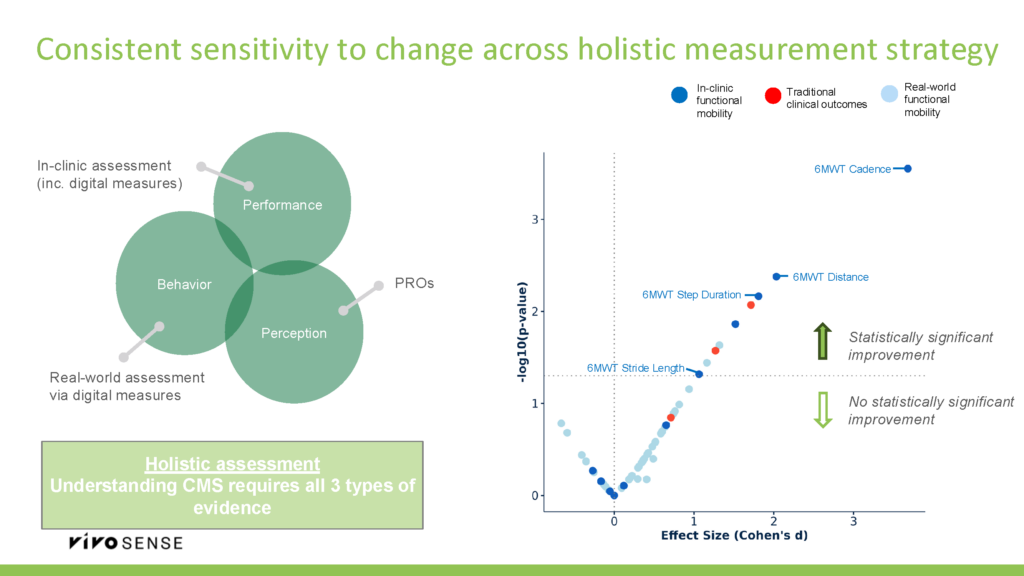
The most compelling outcome may have been the consistency observed across multiple forms of evidence.
By integrating:
– In-clinic digital performance measures
– Real-world behavioral data
– Patient-reported experiences
The study generated a more complete picture of treatment impact. Multiple digital measures detected statistically significant improvements, while the combined evidence strengthened interpretation of functional benefit. The presenters emphasized that understanding CMS requires all three forms of evidence: performance, behavior, and perception.
Key Lessons for Digital Endpoint Development
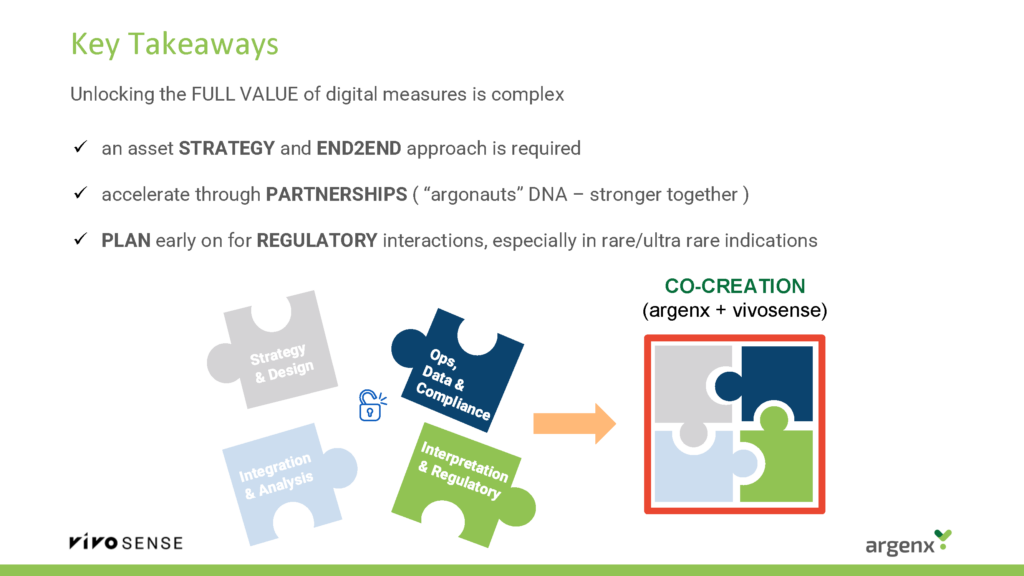
The partnership between argenx and VivoSense produced several important lessons for sponsors pursuing digital endpoint strategies:
– Start with a therapeutic area strategy rather than a single-study mindset.
– Focus on outcomes that matter most to patients.
– Combine in-clinic and real-world measures to generate more meaningful evidence.
– Build cross-functional alignment early.
– Engage regulators proactively, especially in rare and ultra-rare indications.
– Leverage experienced partners that can support strategy, operations, analytics, and regulatory readiness across the entire development lifecycle.
The presenters concluded that unlocking the full value of digital measures requires more than technology alone. It requires co-creation, long-term planning, operational excellence, and a commitment to measuring what truly matters to patients.
Looking Ahead
As digital endpoints continue to mature, the argenx and VivoSense collaboration provides a practical blueprint for transforming wearable sensor data into actionable clinical evidence. By linking patient experience, clinical performance, and real-world function, sponsors can build stronger evidence packages that support both scientific understanding and regulatory decision making.
For organizations seeking to implement digital measures in rare disease programs, the lessons from this CMS initiative demonstrate the power of combining patient-centric strategy, wearable technology expertise, and end-to-end operational support to accelerate clinical innovation.
Watch the Full Presentation Here